Call 888-654-3376
 888-654-3376
 My Account

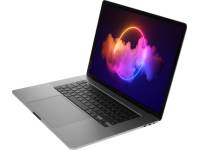
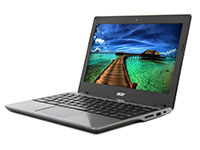

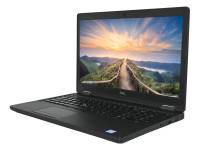







IT budgets are tightening across industries, yet the demand for high-performance computers continues to accelerate. As refresh cycles shorten, businesses face a critical question regarding their aging fleets: what is the most sound method for handling end-of-life devices?
This decision regarding business expense typically falls into three distinct paths: choosing to lease equipment through a leasing company, recycling old units, or trading them in for credit. Many businesses also weigh these options against buying equipment outright.
Each option carries specific legal and financial implications for cash flow, data security, and environmental sustainability. This analysis aims to provide a balanced view to help your organization determine the best strategy for minimizing costs and managing this business expense.
Understanding the Three Options
Before diving into the financials, it is essential to understand the operational mechanisms behind each pathway. The choice often depends on whether your organization prioritizes having the latest technology, maximizing asset value recovery, or simply adhering to strict disposal regulations.
Buying new or refurbished business laptops may appeal to those seeking full ownership, while leasing IT equipment offers flexibility. Understanding these distinctions is the first step toward a cost-effective strategy.
Lease Equipment
Leasing replacements involves entering a lease agreement, typically 24 to 36 months, where the business pays for the use of the lease equipment rather than ownership. These lease terms often come with bundled support and a defined refresh cycle.
A reputable leasing company will clearly outline all lease terms upfront, ensuring transparency throughout the partnership.
Recycle IT Equipment
Certified recycling focuses on the responsible disposal of outdated equipment and obsolete electronics. This recycling process is integral to a valid recycling program that utilizes the Environmental Protection Agency (EPA) Sustainable
Materials Management guidelines and partners with NAID-certified vendors to ensure hardware is broken down without environmental harm. Additionally, partnering with certified recyclers like PCLiquidations can help organizations minimize disposal costs while maintaining regulatory compliance
Trade-in
Trade-in credits allow businesses to recover residual value from their existing fleet. Through OEM programs or third-party aggregators, functional devices are assessed and exchanged for funds or credits toward future purchases.
These credits can offset the cost of buying equipment or help negotiate better lease terms with your leasing company.
It is also important for finance teams to consider the tax implications of ownership versus leasing. When you lease equipment, the financial treatment differs significantly from buying equipment.
The IRS MACRS depreciation schedule typically spans five years for computer equipment, creating a potential residual-value cliff if hardware is retired too early or held too long.
Cost Analysis of Leasing vs Trading vs Recycling of IT Equipment
The financial impact of your IT hardware strategy varies significantly based on the chosen model. To determine the most cost-effective route, IT and finance teams' decision-makers must look beyond the sticker price and consider the total cost of ownership, maintenance costs, and potential recovery values.
This applies not only to laptops but also to office equipment and other IT equipment within your organization. Effective asset management is crucial for maximizing returns across all device categories.
|
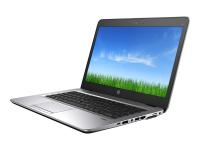
HP EliteBook 830 G6 13.3" Touchscreen Laptop i5-8365U - Windows 11 - Grade A |
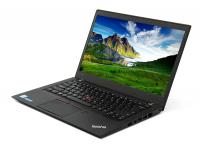
Lenovo ThinkPad T490s 14" Touchscreen Laptop i5-8365U - Windows 11 - Grade A | |
|
|
|
|
|
|
|


A successful trade requires careful evaluation of market conditions.
Average Lease Rates
Leasing is often marketed as a way to shift expenses from CapEx to OpEx. with an operating lease offering potential tax benefits for businesses. When companies lease laptops, they can avoid significant upfront costs associated with outright purchases.
For example, a standard 13-inch business-class corporate laptop, such as a Dell Latitude 7390, might cost between 30 USD and 55 USD per month, depending on the specific leasing agreements. Note that leasing companies require certain credit qualifications and minimum order quantities.
While choosing an operating lease smooths out cash flow and eliminates upfront costs, the total outlay over a three-year lease term can sometimes exceed the purchase price of the unit. A capital lease, by contrast, may make more sense when you intend to own the equipment at term end.
Comparing the monthly payments to the buyout price is essential to understanding the full lease term obligations.
Typical Trade-In Credits
Trade-in programs offer a way to recoup capital. The return on investment depends heavily on the condition and age of the device. Trade-in values typically represent approximately 25% of the original device cost by year three, though specific values vary significantly based on device model, condition, and manufacturer program terms
Factors moving the needle include the cosmetic condition, functionality, and market demand for that specific model. This lump-sum credit can significantly offset the cost of a new fleet deployment.
Recycling Fees and Free Programs
When devices have no resale value, recycling is the necessary route. While the fees generally differ per device, the volume tiers can often flip these costs.
Many vendors will waive recycling fees if the volume of waste is high enough as part of a structured recycling program or if there is a mix of valuable scrap metal involved.
|
Criteria |
Lease |
Trade-In |
Recycle |
|
Average cost/month |
30–55 USD |
— |
— |
|
Cash-flow impact |
Predictable monthly |
Lump-sum credit |
Upfront/none |
|
Net three-year cost |
Highest Total Outlay |
Offset by Asset Value |
Low to Nominal |
To calculate a quick ROI snapshot for owned equipment, subtract the recycling fee from the trade-in credit and divide that by the remaining service-life cost. This calculation helps determine if holding the asset longer yields more value than liquidating it immediately.
|
Pro Tip: Calculate your fleet's true ROI by subtracting recycling fees from trade-in credits, then dividing by the remaining service life. This simple formula reveals if holding assets yields more value than immediate liquidation. |
Environmental Impact
The environmental footprint of corporate IT equipment is substantial. In 2018, the United States generated 2.7 million tons of consumer electronics waste, with 38.5% recycled, according to the U.S. EPA.
Businesses have a moral and often legal obligation to improve these statistics by utilizing proper recycling facilities.
- Refurbishing creates a massive positive impact. According to a Carbon Report by Circular Computing, refurbishing a single laptop can avoid approximately 280 kg of CO2 equivalent emissions compared to manufacturing a new one.
- Recycling and reuse activities in the United States accounted for 681,000 jobs, $37.8 billion in wages, and $5.5 billion in tax revenues in 2012. Effective recycling facilities support these economic benefits.
- Regulatory lenses are tightening. Adherence to standards like R2-v3, various state e-waste mandates, and GDPR-adjacent data rules requires strict chain-of-custody documentation.
- In 2009, 438 million new electronic products were sold in the U.S., with 2.37 million short tons ready for end-of-life management, of which 25% were sent for recycling.
Aligning your procurement strategy with sustainability goals does not just help the planet; it often overlaps with cost savings by avoiding regulatory fines and leveraging green tax incentives. Integrating a formal recycling program ensures compliance.
Proper recycling computers and electronics ensures that hazardous materials are kept out of landfills. Exploring various recycling options helps mitigate risk.
|
Key Insight: Refurbishing is a sustainability powerhouse. A single refurbished laptop avoids approximately 280 kg of CO2 emissions compared to manufacturing a new unit, aligning procurement strategy directly with corporate ESG goals. |
Data Security Considerations for IT Equipment
Retiring IT hardware poses a significant security risk. Data-bearing consumer electronics carry potential breach costs that far exceed the residual value of the hardware itself. Ensuring that all sensitive data is destroyed beyond recovery is paramount, regardless of the disposal method chosen.
|
Option |
Who handles erasure? |
Standard used |
Residual risk |
|
Lease |
Vendor return center |
NIST 800-88 |
Low–Medium |
|
Trade-In |
Third-party partner |
Varies |
Medium |
|
Recycle |
Your chosen vendor |
NAID AAA |
Low |
Whether you enter a lease agreement, trade in, or recycle, always require serialized certificates of secure data wiping. A secure recycling program must prioritize data destruction to prevent leaks from IT equipment.
Checking the NAID Certified Recycler List can help verify that your partner adheres to the highest security standards. This special handling is critical for protecting intellectual property.
|
Warning/Important: Never prioritize disposal speed over security. Data breach costs far exceed the hardware's residual value. Regardless of the method chosen, always demand serialized certificates of data destruction to ensure compliance and liability protection. |
Decision Framework for Your Organization

Choosing the right path requires balancing competing priorities. Visualizing your organization's needs on a matrix of Cost versus Cash Flow, and Sustainability versus Security, can clarify the decision. A comprehensive recycling program should be part of this evaluation.
- High-growth SaaS companies often prefer leasing. This model provides a flexible lease agreement, predictable refresh cycles, and ensures employees always have the latest hardware without a high upfront capital expense.
- Mixed fleet SMBs typically benefit from a hybrid approach. It makes sense to trade in newer units that still hold value while recycling obsolete inventory that is no longer functional.
- Back-office operations should consider buying a refurbished computer buyer's guide and recycling surplus. This "close the loop" strategy minimizes waste and significantly lowers capital expenditure without worrying about a fluctuating rental rate.
Before making a final decision, run through a quick checklist: assess the age of your current assets, evaluate budget timing, review any existing leasing contract, identify compliance exposure, and determine if internal IT bandwidth is available to manage the logistics.
Where PC Liquidations Adds Value
For businesses looking to save money while ensuring compliance, PC Liquidations offers a robust solution. We provide certified refurbished Dell laptop units at an affordable price below Manufacturer's Suggested Retail Price (MSRP), all backed by a comprehensive 90-day warranty.
- We accept trade-ins, allowing you to apply credits directly against the cost of high-quality refurbished replacements.
- We partner with NAID-compliant recyclers to provide flexible recycling options and ensure hassle-free, secure disposal of any assets that have reached end-of-life.
- Choosing refurbished extends asset life, lowers CapEx, and contributes to the avoidance of 78% of CO2 emissions per unit.
We invite you to explore our current inventory of refurbished laptops or request a bulk quote to see how much your organization can save.
Make the Smart Choice for Old Business Laptops
Ultimately, the decision to lease, recycle, or trade in depends on balancing cost efficiency, environmental responsibility, and data security. By utilizing the decision matrix and understanding the true value of your aging fleet, you can turn end-of-life management into a strategic advantage. If recycling is your route, our guide on the best way for a business to recycle office computers covers data protection and compliance.
Consult a certified recycler or browse refurbished options today to maximize value for your business.