Call 888-654-3376

 888-654-3376
 My Account
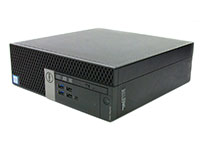

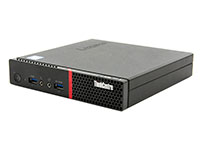
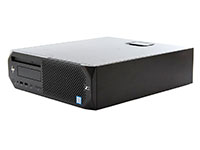
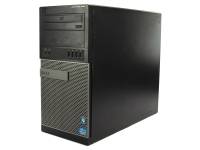















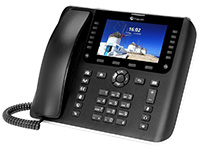
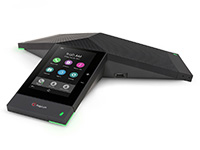

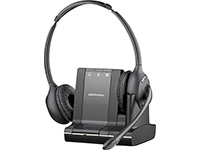

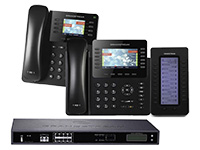







Image by Willians Huerta from Pexels
For many organizations, these electronic devices, old computer equipment, and unwanted IT equipment sit in administrative limbo. They are powered down, forgotten, and lacking any compliant ITAD service or asset disposition plan for proper data center hardware management.
Unfortunately, improperly retired IT assets are rapidly becoming one of the most underestimated sources of data breaches and data security risks.
For businesses looking ahead to 2026, retiring IT assets through a formal ITAD strategy is just as strategically critical as the initial purchase.
An end-to-end ITAD service converts what looks like a massive asset disposal liability into a documented, sustainable asset recovery opportunity that maximizes residual value.
This guide explores standards that should be applied by sector, how to evaluate an ITAD service intelligently, and how partnering with the right experts eliminates audit risk before it materializes.
Why Asset Disposal & ITAD Service Compliance Is Non-Negotiable In IT Asset Disposition
Decommissioned hardware is a goldmine of regulated sensitive information. Financial records, employee PII, proprietary corporate IP, and client contracts routinely survive basic file deletions and standard factory resets throughout the life cycle of IT assets.
Under modern regulatory frameworks, treating a simple hard drive format as secure data destruction or maximum data security is a direct violation of data privacy laws.
When IT assets are improperly discarded during the disposition process, the organizational exposure is massive.
This triggers compounding liability vectors, including HIPAA breach fines, GLBA penalties, GDPR enforcement actions, and costly environmental violation litigation.
In fact, the average cost of a corporate data breach jumped 10 percent year-over-year to $4.88 million. Concurrently, the FTC has escalated enforcement actions related to improper data protection and IT asset disposition.
The Office for Civil Rights continues to levy million-dollar fines against healthcare providers for exposing PHI through mishandled IT assets and poor asset disposition practices. This scrutiny extends deep into the insurance sector.
Cyber insurers and regulatory bodies increasingly target IT asset disposition procedures as a specific, highly scrutinized audit checkpoint rather than an operational afterthought.
|
Warning/Important: The average cost of a data breach is nearing $4.88 million. Treat your retired IT assets with the strict data security protocols of your active network, or risk data breaches leading to catastrophic financial and legal penalties. |
Key Certifications For Data Center Asset Disposition
Not all ITAD providers are created equal, and corporate marketing language can often mask operational deficiencies in an ITAD program. Certifications are the vital mechanism that separates independently verified compliance for IT assets from empty, self-reported claims.
Understanding these credentials is essential for evaluating vendor capabilities intelligently and identifying key ITAD service offerings.
The R2v3 certification is the premier global standard for electronics repair and recycling. It certifies a facility's commitment to responsible reuse, rigorous data security, and environmentally sound downstream recycling of electronic waste.
Crucially, R2v3 facilities are independently audited to ensure that their downstream partners are also held to these verified standards to prevent landfill waste and recover valuable materials from retired IT hardware.
The NAID AAA certification is widely regarded as the gold standard for secure data destruction and data protection. It distinguishes itself through three critical features. It applies equally to both on-site and off-site data destruction operations.
It requires ongoing, unannounced independent audits rather than a one-time rubber stamp, and it mandates rigorous employee background checks.
While evaluating an ITAD provider, you may also encounter several secondary operational certifications.
- ISO 14001 certifies the implementation of an effective environmental responsibility framework for IT assets and ensures responsible disposal practices.
These secondary credentials act as meaningful vetting criteria for enterprise procurement checklists, though they are not the primary compliance drivers.
Common Data Destruction Standards
To navigate ITAD provider evaluations effectively, businesses must distinguish between certification bodies and technical standards. These standards physically define how data destruction must occur.
Demystifying these technical frameworks empowers IT managers executing an ITAD strategy to ask informed questions and easily recognize when an ITAD service uses compliance buzzwords without substance for IT asset disposition.
NIST 800-88 is the most widely referenced federal data sanitization standard utilized in both civilian and government contexts. It is required under HIPAA and DoD guidelines.
The standard establishes a three-tier methodology based on data sensitivity. Federal guidance clearly states that proper asset disposal includes clearing, purging, or destroying the media completely to ensure data destruction on all IT assets.
Knowing exactly which standard applies to your organization's specific data sensitivity level is the very first question you should ask an ITAD provider.
A truly certified data destruction and ITAD program expert will be able to answer it immediately, specifically, and with documented proof for all IT assets.
Data Security Privacy Regulations
Compliance obligations do not look identical in every boardroom. The specific legal regulations governing hardware disposal in a regional hospital are materially different from those governing a public school district or a commercial bank.
Translating abstract risk into sector-specific legal obligations is critical for proper documentation in IT asset disposition, data protection, and secure IT assets recycling within an ITAD service.
The consequences for the Healthcare and Finance sectors are particularly severe. Under HIPAA, a stolen or improperly recycled hard drive containing sensitive data constitutes an automatic breach notification event, resulting in staggering fines, forensic investigation costs, and lasting reputational damage.
Similarly, financial institutions facing GLBA enforcement over exposed client data face immense regulatory penalties.
Educational institutions often operate under the false assumption that FERPA compliance solely applies to cloud databases and data center information systems, entirely neglecting the physical IT assets holding locally cached sensitive information during asset disposition.
These varied, sector-specific obligations prove that a generic recycling claim from an ITAD provider is never legally sufficient.
Proper documentation requirements vary widely by regulation, and your ITAD service must understand your exact industry mandates to prevent audits during the disposition process of your outdated IT equipment to ensure data security.
Different industries face distinct legal and regulatory obligations when it comes to IT asset disposal, making a one-size-fits-all approach to ITAD compliance both risky and ineffective.
|
Industry |
Key Regulation |
ITAD Risk if Non-Compliant |
|
Healthcare |
HIPAA |
Patient data breaches & fines |
|
Finance |
GLBA |
Client data exposure penalties |
|
Education |
FERPA |
Student record privacy violations |
Why The Right ITAD Provider Matters

Image by Gustavo Fring from Pexels
A fundamental liability principle that most businesses misunderstand is that regulatory responsibility does not transfer when the hardware leaves the building.
If a downstream recycler dumps your e-waste and hard drives in a landfill waste site, and sensitive data is subsequently recovered by a bad actor, your organization remains legally liable for the data breaches.
You cannot outsource the liability, which fundamentally reframes vendor selection from a basic operational cost decision into a critical ITAD strategy for IT assets, data security risks, and data center risk management.
To establish genuine audit protection, your chosen ITAD service and ITAD provider must natively possess four non-negotiable qualities for protecting your IT assets.
- Certificates of Data Destruction: The ITAD provider must issue legally defensible certificates per device, per job, validating secure data destruction for all IT assets.
- Certified Downstream Partners: The vendor must strictly utilize R2-certified recycling partners for e-waste to prevent landfill waste, lower your carbon footprint, and ensure compliant IT asset disposition.
- Transparent, Audit-Ready Reporting: Throughout the entire disposal process, operational records proving data destruction for electronic assets must be cleanly formatted and securely accessible so that auditors can verify proper documentation and data security.
Organizations must be deeply cautious of cost-driven vendor selection. Low-cost or free e-waste providers frequently lack the secure facilities required for a reliable ITAD service.
How PCLiquidations Ensures ITAD Service Compliance For IT Assets
When measuring an ITAD service against the strict regulatory compliance requirements of modern business, PCLiquidations stands as the definitive, evidence-backed ITAD partner.
We do not just meet the criteria for secure IT asset disposition; we exceed them through an infrastructure built on transparency, maximum data security, and proven asset recovery for IT assets across their life cycle.
We take pride in offering a safe place to sell a computer because we manage the full lifecycle of business technology.
Our commitment to an elite ITAD program and superior data security during asset disposition is verifiable at every operational stage.
- DOD and NIST-Compliant Data Destruction: We execute federal-grade data wiping, hard drive shredding, and physical destruction protocols on all incoming storage devices, issuing strict proper reporting and certificates of data destruction for all IT assets to ensure data security.
- Documented Chain of Custody: Every asset is meticulously tracked via secure logistics from the moment it leaves your facility to its final asset disposition for your IT assets in IT asset disposition.
- R2-Certified Downstream Partnerships: All end-of-life e-waste recycling flows exclusively through R2-aligned partners, ensuring that our downstream environmental responsibility for IT assets is independently verified.
- Microsoft Registered Refurbisher Status: Operating within verified ecosystems ensures our asset disposition solutions reinforce strict quality standards for reusable materials, usable equipment, IT assets, and the circular economy.
Beyond risk mitigation, our powerful asset recovery model helps businesses uncover hidden capital.
Secure Your IT Asset Disposition Services
Retiring IT assets without a certified ITAD service isn't just operationally risky; it's a direct regulatory violation that can cost your organization millions in fines, breach notifications, and reputational damage.
As enforcement intensifies across healthcare, finance, education, and enterprise sectors, compliant asset disposition has evolved from an afterthought into a strategic imperative.
Don't let decommissioned devices become your next data breach headline. Contact PCLiquidations today to implement a fully compliant, audit-ready ITAD strategy that protects your data and meets regulatory standards.